Have you ever wondered why electric vehicles (EVs) are gaining popularity among car owners worldwide, including in my own country, despite some skepticism from owners of fuel and diesel vehicles? In this blog, I will briefly explain why we chose to opt for an EV rather than continue using a fuel-powered car and why some people remain skeptical or doubtful about this type of transportation.
Background
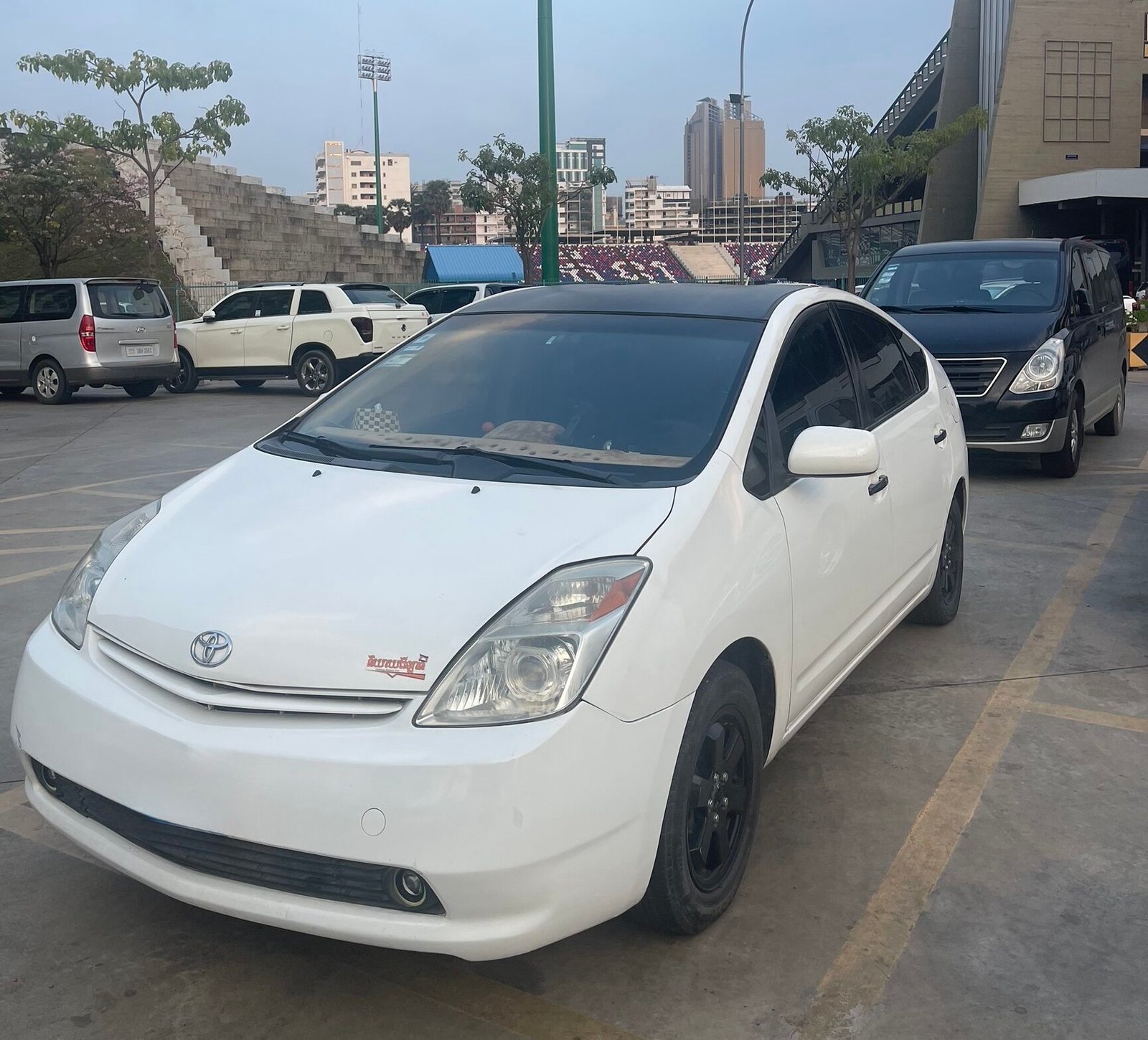
My fiancé had been driving a 2005 Toyota Prius for 10 years, since 2015. The Prius, a Japanese hybrid vehicle, was truly ahead of its time. In Cambodia, it’s known for its fuel efficiency and eco-conscious design, which makes it one of the most cost-effective fuel-powered cars globally. With its hybrid engine, it combined a gasoline engine with an electric motor, delivering excellent mileage and reduced emissions long before EVs became mainstream.
It served us well for years and helped us develop an appreciation for energy efficiency. But it’s been 20 years since that model was introduced to the public. Like it or not, its durability wore out, and major components of the engine started breaking down, requiring comprehensive and frequent maintenance every year. This car helped save us a lot until we decided it was time to put it on sale and look for a more cost-efficient vehicle in 2025.
My partner spent days and nights researching an affordable compact SUV. His budget was around $23,000. It was hard to find one from a trustworthy and reliable brand, especially when it came to EVs.
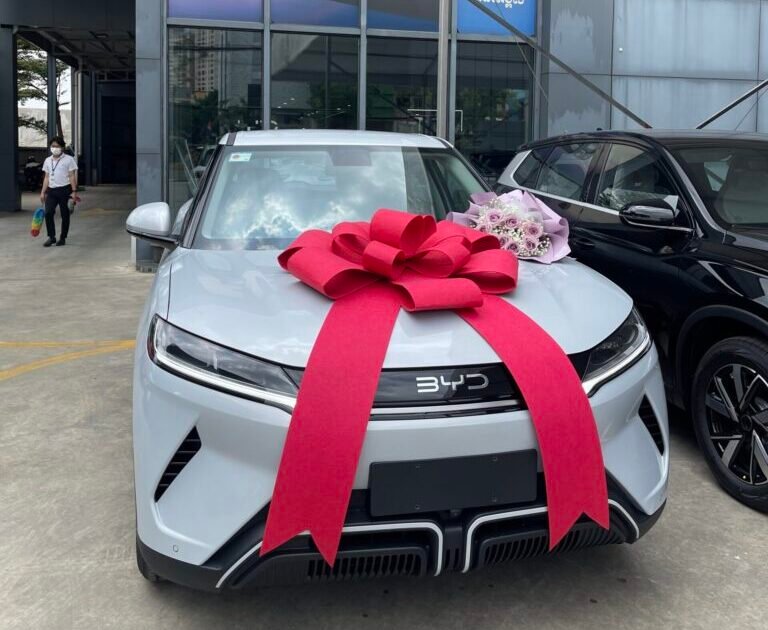
I remember we went to an auto show in early April and he took me to the BYD booth. We hopped into the ATTO 2 to experience the comfort and technology of the car. The next day, he went back to the booth and decided to blind-book the BYD ATTO 2.
On the launch day, the company revealed the price of this vehicle: just $22,300.
We were both surprised because we thought it would cost more—just look at the advanced technologies included! However, the version sold in Cambodia is different from the one in Europe, as some features were removed to reduce the price and better compete in the Cambodian EV market.
Since the launch of the ATTO 2 and SEAL models, I’ve noticed that many automotive companies are using the same tactic, pricing their EVs around the $20K range. Who wouldn’t want a brand-new vehicle at that price for 2025 instead of spending the same amount on a secondhand vehicle from an earlier year?
Why did we decide to buy this EV?
A few days ago, we took a one-night trip to Veal Veng (វាលវែង) in Pursat province and stayed at Domnak Mlis Resort. The place is 353 km away from our house, and it took almost 6 hours to get there. Altogether, our round trip was around 720–740 km long, including a short drive to the Cambodia–Thailand Laem border.
Okay, time to break down the cost of the trip—shall we begin?
Trip distance: (400–420 km one way)
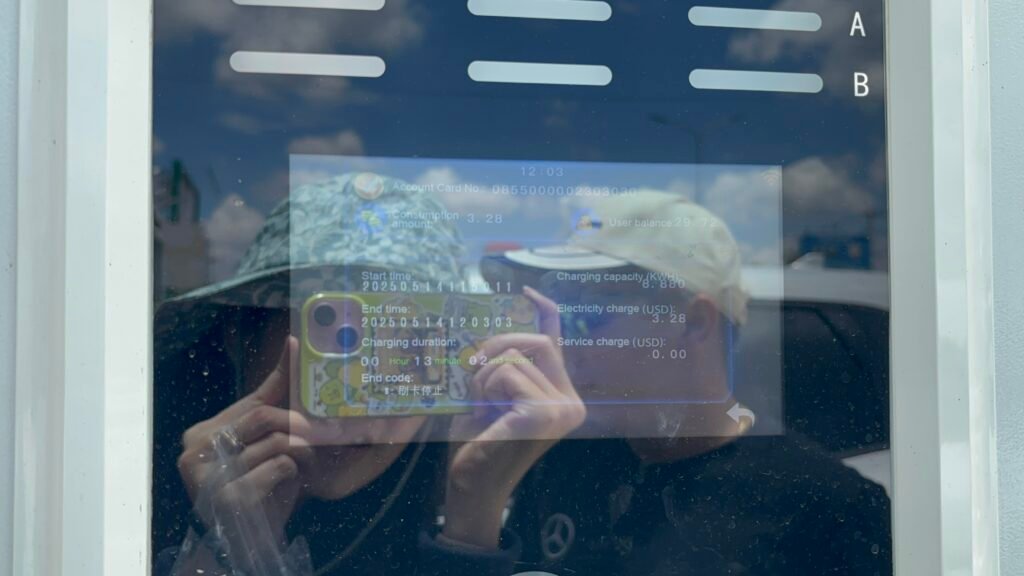
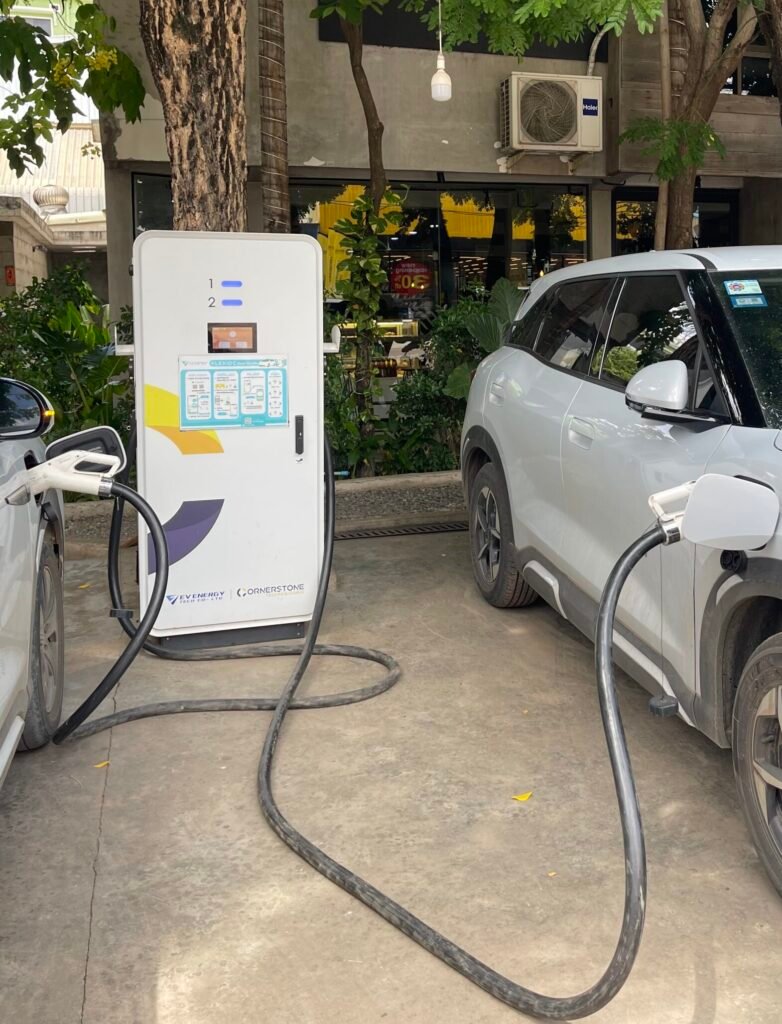
A full 100% charge can take us more than 400 km if we drive at a moderate speed (80–90 km/h). We left Phnom Penh and made our first stop at Phsar Samaki Krakor, where there’s a 120 kWh EV charging station. We spent about $3.28 to charge from 69% to 85% in just 12 minutes, and during that time, we ordered coffee and took a toilet break.
With 85%, we could travel another 323 km without stopping to charge, straight to our destination. Keep in mind, the last 50–60 km of the road is very hilly and winding, which means we couldn’t maintain a constant speed. On a flat road, we could have traveled 323–340 km.
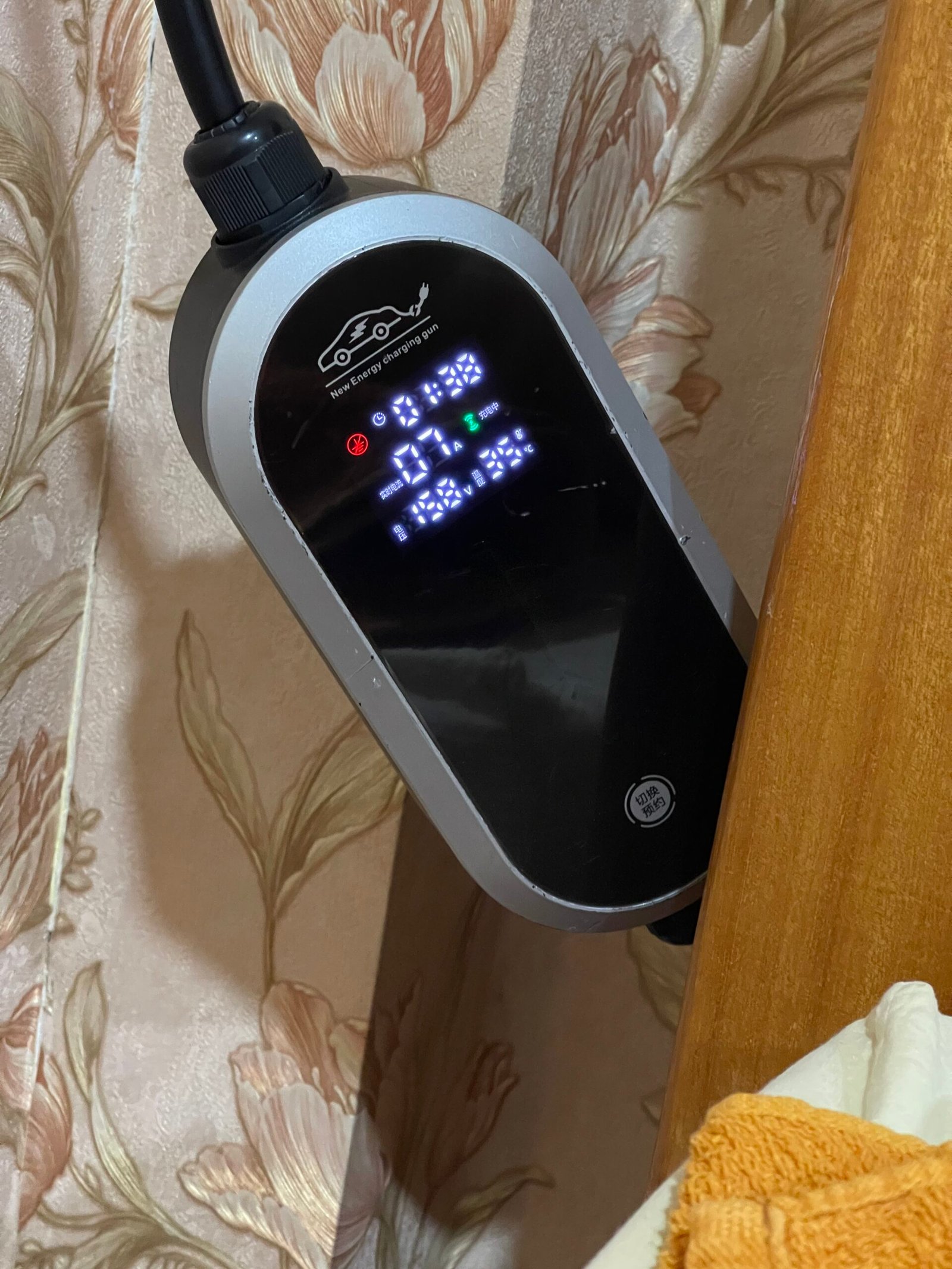
We arrived at the resort at 5 PM and were fortunate enough to be allowed to charge our car for free. It took us 15 hours (overnight) to charge from 32% to 88%, using a current of 8–10A. If we had paid for it, the cost would’ve been around 15,000 riels (~$3.75).
The next morning, we drove to the border and had breakfast. When we returned to the resort, our battery was at 78%. From there, we drove to Zara Coffee (172 km away), where we stopped for lunch and another short charge.
In just 19 minutes, while we were eating, the battery charged from 30% to 62%, more than enough for the 180 km trip back home, and we arrived with 18% battery left.
Cost Breakdown
14th May 2025 (Phnom Penh to Resort)
- 1st stop at Krakor: $3.28
- 2nd charging at resort: Free (or $3.75 if paid)
15th May 2025 (Resort to Phnom Penh)
- 1st stop at Zara Coffee: $4.25
Total cost: $7.53 (or $11.28 if including the resort charge)
Daily Usage and Cost Savings
Given the chronic traffic congestion in the city, we spend about 3 hours per day on the road. Previously, we spent about $20 per week on fuel, or $80 per month.
Now, with the EV, we charge at the office for free or at home, which costs approximately $6 per week, or $24 per month. That’s $56/month saved just on commuting! On average, our battery usage for daily travel is only 10%.
EV Adoption in Cambodia
While the number of EVs registered here is still small compared to total vehicle registrations, there has been a significant surge:
- 2023: 313 EVs registered
- 2024: 2,253 EVs registered (620% increase)
- 2025 (so far): 3,357 EVs imported
Top EV brands: BYD, Toyota, Tesla, Mazda, AION, etc. Cambodia’s goal: 30,000 light and heavy EVs by 2030 (25,000 light, 5,000 heavy).
Concerns
Let me be honest, most people still prefer fuel-powered vehicles for one simple reason: convenience. Gas stations are everywhere, operating 24/7, while EV charging stations are still relatively scarce, especially in remote areas. Many EV importers remain hesitant to invest in charging infrastructure, and government support is lagging.

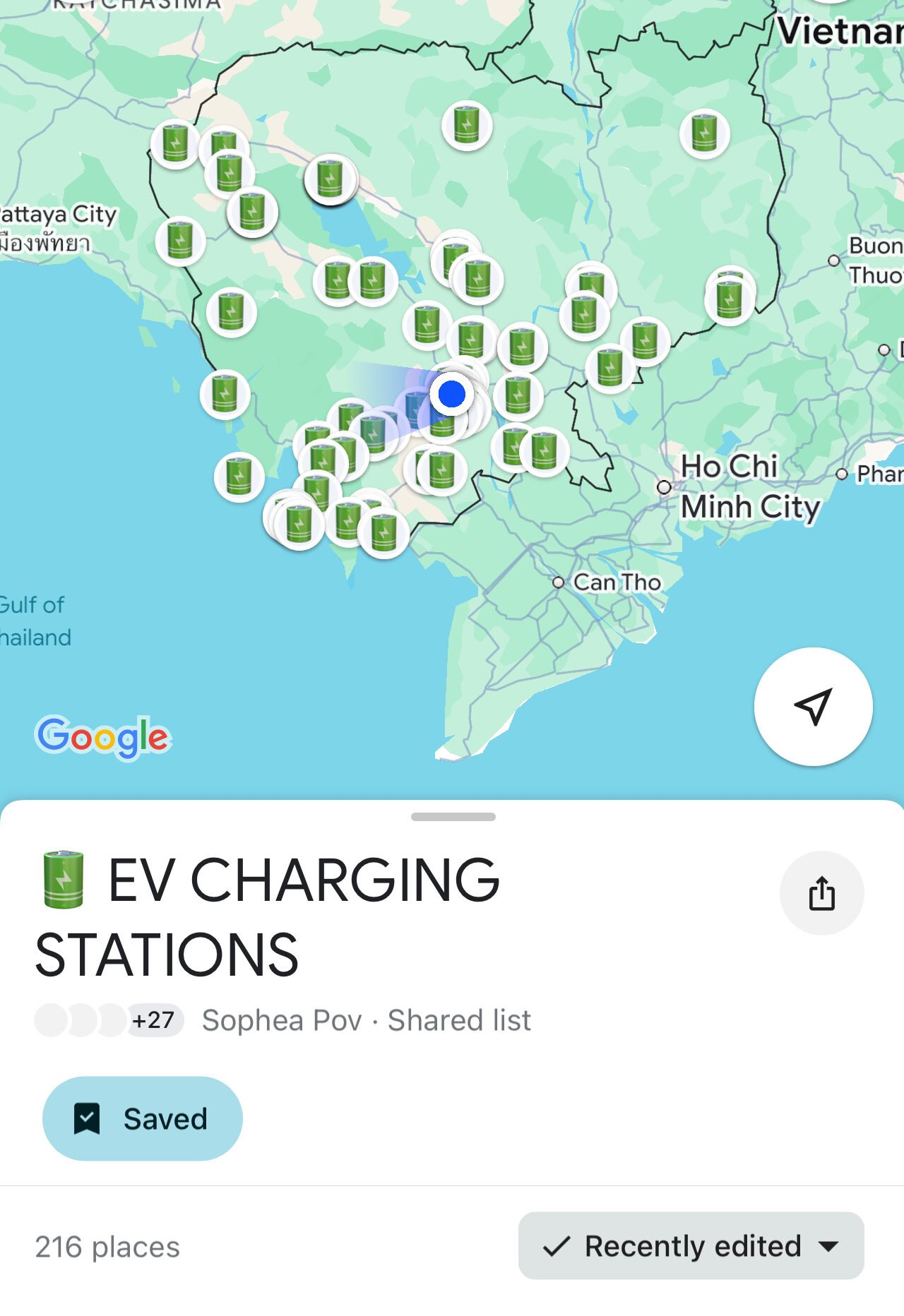
According to Google Maps' provision of EV charging stations as of today, the 15th of May, there are a total of 216 stations (for AC and DC) pinned on the map across the country, except for Oddar Meanchey and Steung Treng provinces, which don’t have the stations yet.
Another major challenge is charging head compatibility. Most EVs in Cambodia (except Tesla) use the GBT charging standard, which is common in China, whereas the global standard is CCS2. This becomes a real issue when traveling abroad. For example, if you take your EV to Thailand, where CCS2 is widely used, you won’t be able to charge unless you’ve bought an adapter head for fast charging from GBT to CCS2, which costs between $700 and $900.
What I want to emphasize is this: gas stations are accessible, fast, and reliable, unlike EV charging stations, which are still limited in number and often require long charging times, especially in rural areas where overnight charging is often the only option.
Personal Note
Honestly, I don’t mind the charging inconvenience. It’s even fun for us; we’ve improved our time management, and our brains stay more active during trip planning.
That said, I’ve seen several negative reviews. One BYD ATTO 2 owner shared his stressful trip to Kampot (152 km away = ½ of my trip from Phnom Penh to Pursat), where he ran low on battery. He didn’t manage his consumption well and ended up panicking. This is a fear for all other vehicle owners who don’t understand much about how electric cars operate or work.
Some people also unfairly criticize EVs, especially Chinese brands, due to unfamiliarity or brand loyalty. For example, Toyota, Lexus, and Land Cruiser have built trust over the years with widespread availability of spare parts and after-sales services, unlike newer EVs.
In Cambodia, second-hand cars are still preferred by many drivers, but things are starting to change.
Driving an EV isn’t just about going green; it’s about being smart with your money. Our journey switching from a 20-year-old hybrid to a fully electric vehicle has shown us how much we can save on fuel, maintenance, and even daily commuting costs. With proper planning, an EV can take you on long road trips at a fraction of the price you’d pay for gasoline. While infrastructure and charging standards still pose some challenges, especially in Cambodia, we believe the benefits outweigh the inconveniences, and in some ways, they’ve even made us better planners and more conscious travelers.
Yes, EV adoption comes with a learning curve, but once you understand how it works, you’ll realize just how practical and cost-effective it can be. As more brands enter the market and the government pushes for greener transportation, we believe the shift to EVs will accelerate, not just for the environment, but for our wallets too.